The political economy of education in Central Asia: exploring the fault lines of social cohesion
Key facts
Intergroup relations
Equality/Inequality
Solidarity
Tolerance
Kazakhstan
Tajikistan
Uzbekistan
Youth
Political institutions & governance
Inequality
Summary
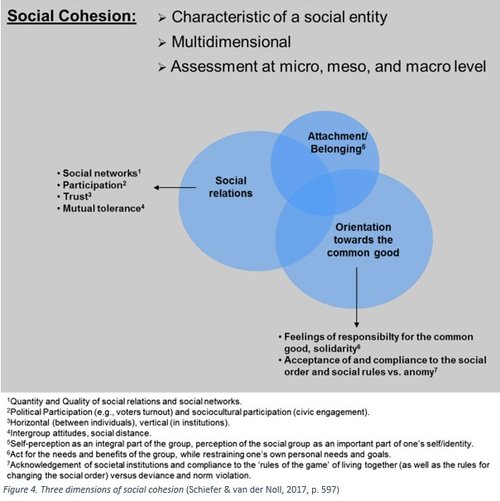
This scoping review examines the political economy analysis of education in four Central Asian states – Kazakhstan, Kyrgyzstan, Tajikistan, and Uzbekistan. By analysing the intersections of politics, economy, society and education policy, the study aims to understand the impact of post-Soviet education reforms on social justice and cohesion. The findings reveal that despite commitments to building peaceful and inclusive societies, the education systems in these states tend to promote asymmetric nationalist discourses and adopt neoliberal practices, resulting in the marginalisation of vulnerable groups, such as ethnic minorities, women, rural populations, and devout believers. The implications of these findings can inform efforts to promote sustainable positive peace and social cohesion through education.